Why Blame Feels So Good (And Why It’s Keeping You Stuck)
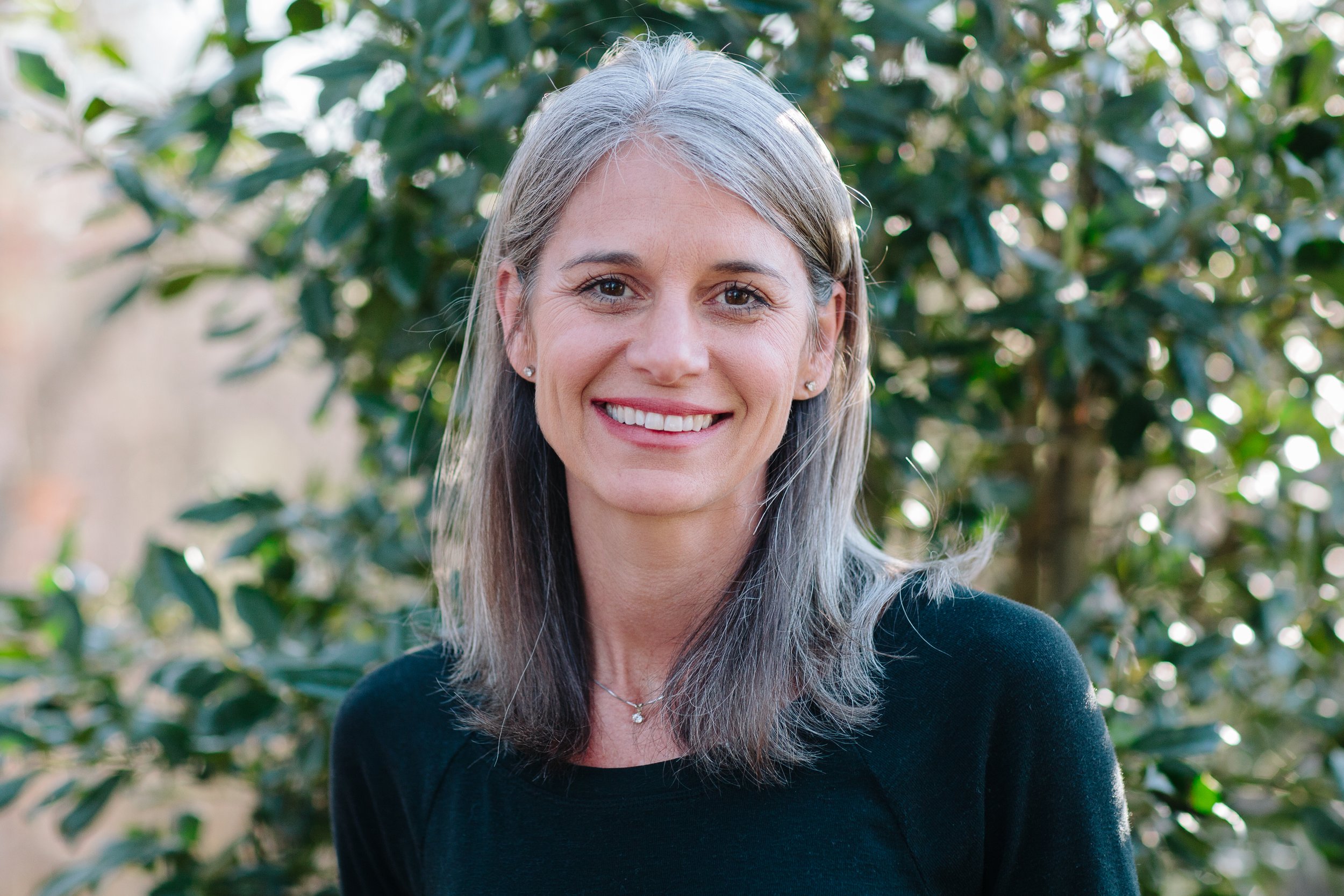
By Emily Hartman, MA, P-LPC | Watershed Counseling, Jackson MS

Something goes wrong, and almost instantly, your mind starts searching. Who moved my keys? Who made me late? Who is to blame?
We do it with our emotions:
You make me so mad… so anxious… so hurt. If it weren’t for you, I wouldn’t feel this way.
We do it with decisions:
You’re the one who said we should do this.
We do it by comparing:
At least I didn’t act like you did.
We turn it on ourselves (self-blame is still blame, it’s just directed toward you instead of someone else):
If I were different, this wouldn’t be happening.
And sometimes we turn it on God.
Blame is one of the most automatic responses we have as human beings. If you’ve ever wondered why it feels so satisfying in the moment, or why it seems to make everything worse in the long run, you’re asking exactly the right question.
What Blame Actually Is (And Why It Feels So Good)
Research professor and author Brené Brown describes blame simply: “Blame is our way of discharging pain.”
It’s like that old (slightly dangerous) game our boys used to play around a campfire: toss the coal. The heat is too much to hold, so you throw it as fast as you can to someone else.
Blame works the same way. The hurt, the guilt, and the fear feel unbearable. So we get rid of it the quickest way we know how: by tossing it to someone else.
The reason blame feels good, even momentarily, is that it gives us something to do with pain. Instead of sitting with discomfort, we have an answer, a target. That sense of control is compelling, even when it’s false.
Blame Is Ancient And Deeply Human
This pattern didn’t start with us. In the book of Genesis, Adam blames Eve and even God: “The woman you gave me…” Eve blames the serpent: “The serpent deceived me…”
We’ve been tossing the coal ever since. Recognizing this doesn’t excuse the pattern, but it does take some of the shame out of it. Blame is a deeply human response to pain.
The Hidden Cost of Blame in Relationships
Here’s the painful truth: blame might offer a moment of relief, but it steadily erodes connection.
When you blame your partner, you move away from them. When you blame yourself, you collapse inward. In both cases, you lose the possibility of understanding, repair, and real change.
Brené Brown also notes that blame has an inverse relationship with accountability. The more we blame, the harder it becomes to take honest ownership of our own role. And accountability, gentle, honest ownership, is where change actually begins.
Blame feels powerful, but it keeps us stuck.
What to Do Instead: The Shift That Changes Everything
The alternative to blame isn’t weakness; it’s a small but powerful shift in your internal question.
Instead of: “Whose fault is this?”
Try asking: “What am I actually feeling right now?”
When you can pause long enough to name what’s happening inside, “I feel hurt,” “I feel scared,” “I feel overwhelmed,” you no longer need to discharge it onto someone else.
That opens the door to something blame never can: genuine connection.
In Marriage, This Is Everything
Blame builds walls. Vulnerability builds bridges.
I’ve sat with many couples who are stuck in cycles of blame, tossing the same hot coals back and forth, both getting burned, neither feeling truly understood. I’ve also watched what happens when even one person begins to do something different.
When one partner slows down, gets curious about what’s underneath their reaction, and risks sharing that vulnerability instead of pointing fingers, it changes things. Not instantly. Not perfectly. But meaningfully.
You Don’t Have to Stay Stuck in Blame
If you find yourself stuck in patterns of blame in your marriage, in your closest relationships, or even in your own inner dialogue, you’re not alone. These patterns are deeply ingrained. They make sense. And they can change.
There is another way forward, one that leads to more understanding, more connection, and more freedom.
If you’re ready to begin that shift, I’d be honored to walk with you.
Ready to Break the Blame Cycle? Let’s Talk.
To schedule an appointment with Emily Hartman, P-LPC, call Watershed Counseling’s Client Care Coordinator at (601) 362-7020. We’re here, and we’d love to help you take that next step.