Is It Just a Rough Patch… Or Is It Time for Couples Counseling?
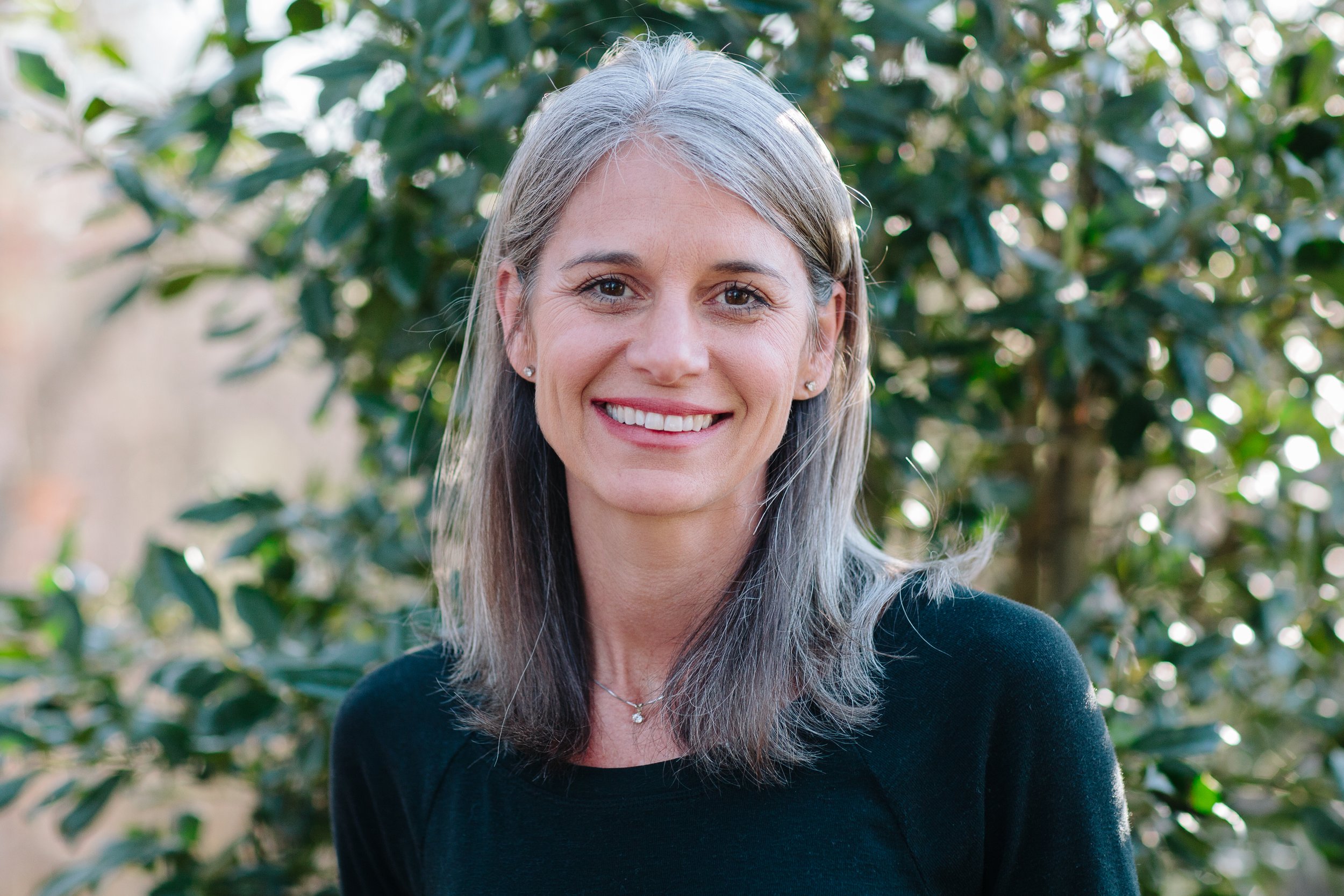
By Emily Hartman, MAC, P-LPC | Watershed Counseling, Jackson, MS

All couples struggle. You're two different people, with different stories and different needs, trying to build a life together in a complicated world. Struggle is part of it. The real question is: Is this a rough patch, or have we gotten stuck?
The Difference Between a Storm and a Shifting Climate
I often think about relationships like the weather. Even the most beautiful climates have storms: those normal moments of missed connection, hurt feelings, or unmet needs. They come and go, and with repair, the relationship settles again.
But sometimes, it's not just a passing storm. Sometimes the climate begins to shift.
A climate of disconnection forms when those storms happen more often, and repair either doesn't happen or doesn't go very deep. What once felt secure and close starts to feel distant and strained. And if that's happening in your marriage, you may already feel it before you can put words to it.
Signs Your Marriage May Be Drifting Toward Disconnection
This kind of distance usually doesn't arrive all at once. It builds gradually, easy to overlook at first, hard to ignore over time. Here are some of the things couples describe when they finally reach out:
Conversations stay on the surface. You talk about schedules, logistics, the kids, but not your inner world. There's a quiet, unspoken feeling of we live together, but I don't feel known.
Attempts at connection go unanswered. One of you reaches out - to talk, to reconnect - and it doesn't land. After enough of those moments, it starts to feel safer to stop reaching than to risk the hurt again.
Irritation rises more easily. Things that once felt small now feel sharp. You find yourself more reactive, more defensive, or more careful, like you're walking on eggshells in your own home.
Affection quietly fades.The small, natural touches like a hand held, a quick hug, or an easy kiss become less frequent. Emotional and physical closeness starts to feel distant, awkward, or even a little risky.
Conflict doesn't fully repair. Disagreements linger. Apologies feel incomplete. Hurt accumulates quietly, and nothing quite resolves.
Loneliness sets in. This is often the most painful part: feeling alone while sitting right next to your partner. Looking at them and wondering, Do you even see me anymore?
You've lost your sense of "us."You feel more like roommates or co-managers of life than two people who chose each other. There's less laughter. Less shared joy. Less of the shared connection that used to make this feel like home.
What That Feeling Is Trying to Tell You
If something in you aches reading this, pay attention to that. The ache isn't a sign that something is wrong with you or your marriage beyond repair, it's a signal that something important is asking to be tended to.
Maybe only one of these resonates. Maybe several do. Either way, noticing is a meaningful first step.
A climate of disconnection doesn't always mean you're in crisis. Often, it reflects accumulated stress, old attachment wounds, or patterns neither of you were ever taught how to navigate. Most couples in this place aren't falling out of love; they've just lost the thread back to each other, and they don't know how to find it safely.
That's where support can make a real difference.
How Couples Counseling Can Help
In my work with couples, I use Emotionally Focused Therapy (EFT), blended with the Gottman Method, approaches grounded in decades of research on what actually helps marriages heal and grow. Rather than just focusing on communication skills, we slow things down, make sense of what's happening underneath, and help you find your way back to each other.
This isn't about assigning blame or deciding who's right. It's about understanding the cycle you've both gotten caught in and building enough safety to reach for each other again.
You Don't Have to Keep Feeling This Way
If you're longing for more closeness in your marriage, more ease, more us, that longing matters. You don't have to figure this out alone, and you don't have to wait until things get worse before you reach out.
If you're reading this and thinking, “this is us,” that recognition is worth something. Don't let it pass. This could be the moment things start to change.
To schedule an appointment with Emily, call Watershed Counseling's Client Care Coordinator at (601) 362-7020. We're here, and we'd love to help you take that first step.